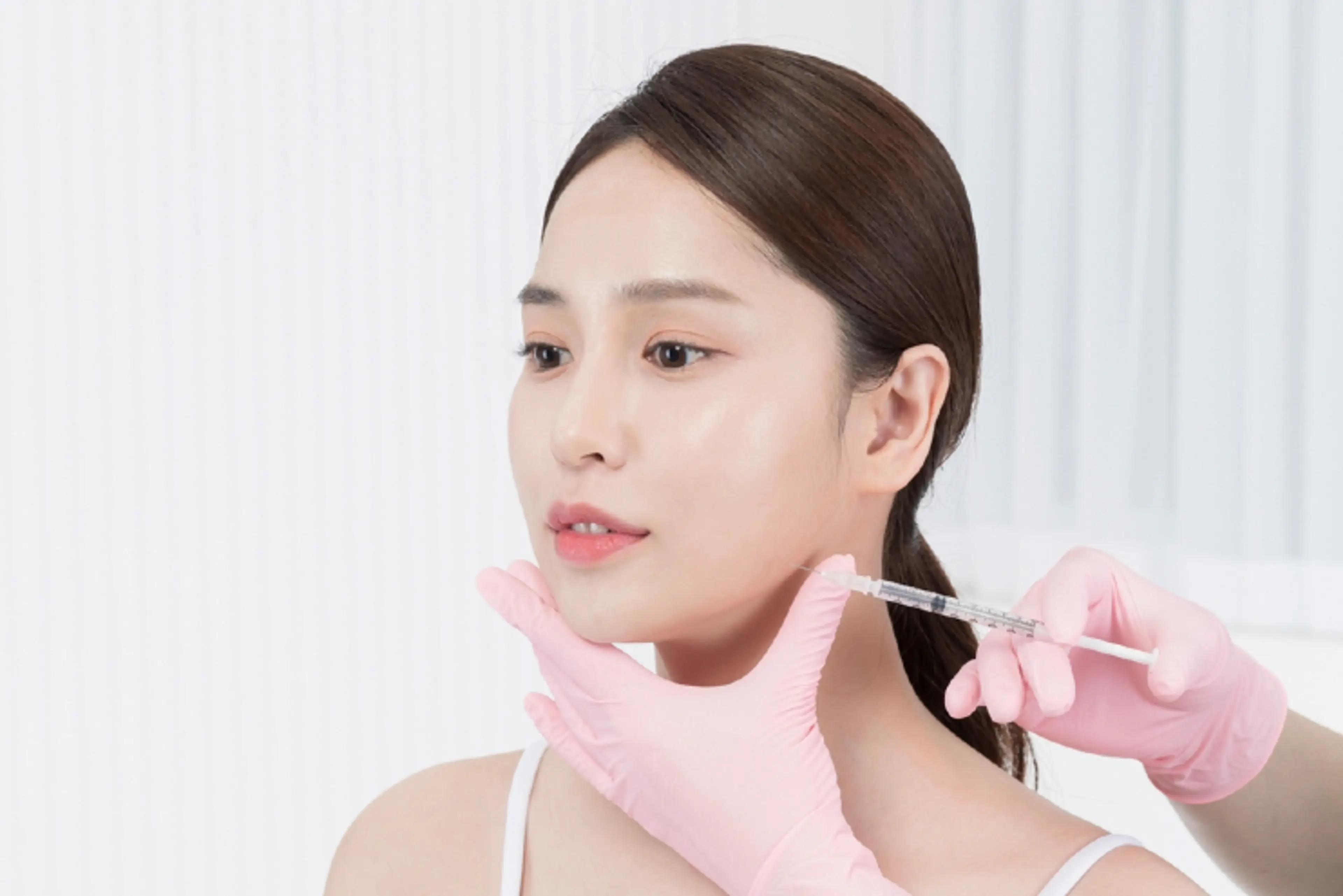
If your reflection lately feels tired, dull, or just not you, you’re not alone. Day-to-day stress, long hours at the screen, and subtle shifts in our skin’s structure all pull at our youthful glow. Two of the most talked-about treatments for facial rejuvenation today are Botox and Skin Boosters — but which is actually better for your goals?
In this comprehensive, expert-driven comparison, we’ll walk you through what each treatment does, how they work, who they help most, and how to choose based on your skin concerns. No generic fluff — just real insights grounded in real clinic practice.
The Core Difference: What They Truly Do
the-core-difference:-what-they-truly-doAt a glance, both Botox and skin boosters aim for rejuvenation — but they work in fundamentally different ways.
Botox: Relaxing Movement to Smooth Lines
botox:-relaxing-movement-to-smooth-linesBotox is a neuromodulator — a purified form of botulinum toxin that temporarily blocks nerve signals to muscles. When injected strategically around expression areas (like crow’s feet or brow furrows), it prevents the muscles from contracting as strongly.
Here’s the key idea:
Botox doesn’t fill wrinkles — it prevents them by reducing muscle activity.
That’s also why it’s so effective for dynamic lines — wrinkles caused by repetitive facial movements.
Common Uses of Botox
Frown lines between the brows
Horizontal forehead lines
Crow’s feet around the eyes
Chin dimpling
Hyperactive gums or excessive sweating (off-label uses)
In practice, we often say: Botox smooths what movement makes.
Skin Boosters: Deep Hydration and Glow from Within
skin-boosters:-deep-hydration-and-glow-from-withinSkin boosters — popular examples include hyaluronic acid (HA) microinjections like Restylane Vital or Profhilo — are fundamentally hydration therapy for the dermis.
Instead of changing muscle function, they:
Improve skin moisture levels
Stimulate collagen and elastin production
Enhance elasticity and skin texture
Create a natural, “lit-from-within” glow
Think of skin boosters as a way to revitalize the skin matrix itself — not stop expressions or lines directly.
They’re not volumizing fillers (used for cheeks or lips), and they’re not muscle relaxants (like Botox). Their goal is skin quality, not structural change.
Mechanisms Compared: A Closer Look
mechanisms-compared:-a-closer-lookFeature | Botox | Skin Boosters |
|---|
Type of Treatment | Neuromodulator | Hydrating micro-injections |
Primary Goal | Reducing dynamic wrinkles | Improving skin quality & hydration |
Works On | Muscles | Skin dermis |
Duration | ~3–4 months | ~4–6 months (varies) |
Best For | Expression lines | Dullness, dryness, fine creases |
Common Areas | Forehead, glabella, eyes | Cheeks, around mouth, neck, décolletage |
Why Muscle Matters
why-muscle-mattersLines on the face fall into two categories:
Dynamic wrinkles — appear when muscles contract (e.g., when you smile, frown, squint)
Static wrinkles — visible even at rest, reflecting structural skin changes
Botox is phenomenal for dynamic wrinkles because it modifies the nervous system’s signal to the muscle.
Skin boosters, on the other hand, don’t weaken muscles — they improve the substrate those muscles act upon: the skin itself.
That’s why a combination of neuromodulators and skin hydration often delivers the most youthful results — they treat different layers of aging.
What You Notice First: Results & Timeline
what-you-notice-first:-results-and-timelineBotox Results
botox-resultsPatients often report:
“My lines don’t show when I frown anymore.”
Botox softens movement but doesn’t make skin visibly dewier — its magic is in motion control.
Skin Booster Results
skin-booster-resultsStarts showing: ~1–2 weeks
Improvement builds: over 4–6 weeks
Duration: ~4–6 months (depends on product & skin)
The feedback we hear most:
“My skin actually feels softer and looks more radiant.”
Skin boosters give a gradual, natural glow, not the sudden “freeze” effect that some associate with Botox.
Who Benefits Most From Each?
who-benefits-most-from-each
Your needs determine the best answer.
Ideal Candidate for Botox
ideal-candidate-for-botoxProminent lines when making expressions
Early forehead or glabella wrinkles
Desire to prevent deeper creases
Want a smoother look without volume changes
Ideal Candidate for Skin Boosters
ideal-candidate-for-skin-boostersDry, dull, or slightly textured skin
Fine lines without strong muscular involvement
Desire for hydration and subtle radiance
Skin that looks tired even without expression lines
Here’s a simple rule of thumb we use in clinic:
If movement causes the wrinkle → think Botox.
If texture, dullness, or dryness bothers you → think skin boosters.
Safety, Side Effects & Comfort
safety-side-effects-and-comfortBoth treatments are widely performed and safe in experienced hands — but they’re different in their effects.
Botox Considerations
botox-considerationsSkilled placement minimizes risks and ensures a natural expression.
Skin Booster Considerations
skin-booster-considerationsMild swelling or redness at injection points
Small bumps that usually resolve in a day or two
Very low risk of allergic response
Because skin boosters sit within the dermis, a gentle injection technique matters to avoid tiny surface lumps.
At The Wells Clinic, we combine neurology-guided assessment with gentle manual technique to optimize results and minimize downtime — especially for sensitive areas.
Synergy: Why Combination Often Wins
synergy:-why-combination-often-winsOne of the most powerful truths in modern aesthetics is:
Botox and skin boosters aren’t competitors — they can be partners.
Here’s how:
Botox reduces dynamic stress on the skin. Less movement = fewer new lines.
Skin boosters improve the quality of the skin that remains at rest.
Together, you treat both cause (muscle movement) and substrate (skin health).
In practice, many patients starting with Botox alone later choose skin boosters — or vice versa — depending on their aging pattern and goals.
Personalized Treatment: A Neurology-Based Perspective
personalized-treatment:-a-neurology-based-perspectiveAt The Wells Clinic, our philosophy springs from understanding movement and structure before injecting.
We look beyond “crow’s feet” or “forehead lines” as isolated problems — and instead ask:
How does your muscle pattern contribute to folds?
Is there underlying tension or imbalance in neck and facial muscles?
Are your skin layers supporting healthy function, or stressed by chronic tension?
This neurologic lens matters because the face is not just a surface — it’s a dynamic interplay of muscles, nerves, and tissue responses.
For example:
Tension in neck muscles can subtly pull the lower face downward, influencing how lines form around the mouth.
Overactive brow muscles sometimes compensate for weak upper-eyelid tone, leading to deeper forehead lines.
Dry, thin skin in the cheek area may crease more simply because its hydration barrier is compromised — something that skin boosters directly help.
This isn’t about more treatment, but smarter treatment.
Practical Guidance: Choosing What’s Right Now
practical-guidance:-choosing-what's-right-nowHere’s a simple decision guide you can use:
Ask Yourself:
ask-yourself:Do your lines appear mostly with expression?
Does your skin feel dry, lackluster, or thin?
Are you looking for a glow or a smooth expression?
Have you tried one but still feel something’s missing?
Typical Protocol (Example)
typical-protocol-(example)
Beyond Aesthetics: Confidence & Comfort
beyond-aesthetics:-confidence-and-comfort
Rejuvenation is not just about lines or hydration charts — it’s about feeling at home in your skin again.
Patients often tell us:
“I noticed my face looks rested even without makeup.”
“I feel like myself — just refreshed.”
“My friends say I look brighter, not different.”
That’s the goal: natural, harmonious, reassuring results.
Final Thought: There Is a Better Option — For You
final-thought:-there-is-a-better-option-for-youNeither Botox nor skin boosters are universally “better” — but one may be more suited to your needs today.
If lines from expression bother you most → Botox leads.
If skin texture and hydration are your top concern → Boosters shine.
If both elements matter → A tailored blend may be ideal.
And the best way to decide is with an evaluation that understands your facial dynamics — not just your wrinkles.
If you’ve tried treatments without lasting satisfaction, or if you’re curious how neurology-based planning can elevate results, consider a consultation at a clinic that sees the face as a system, not a set of symptoms.
Rejuvenation is personal — and it should be guided by expertise, not one-size-fits-all answers.