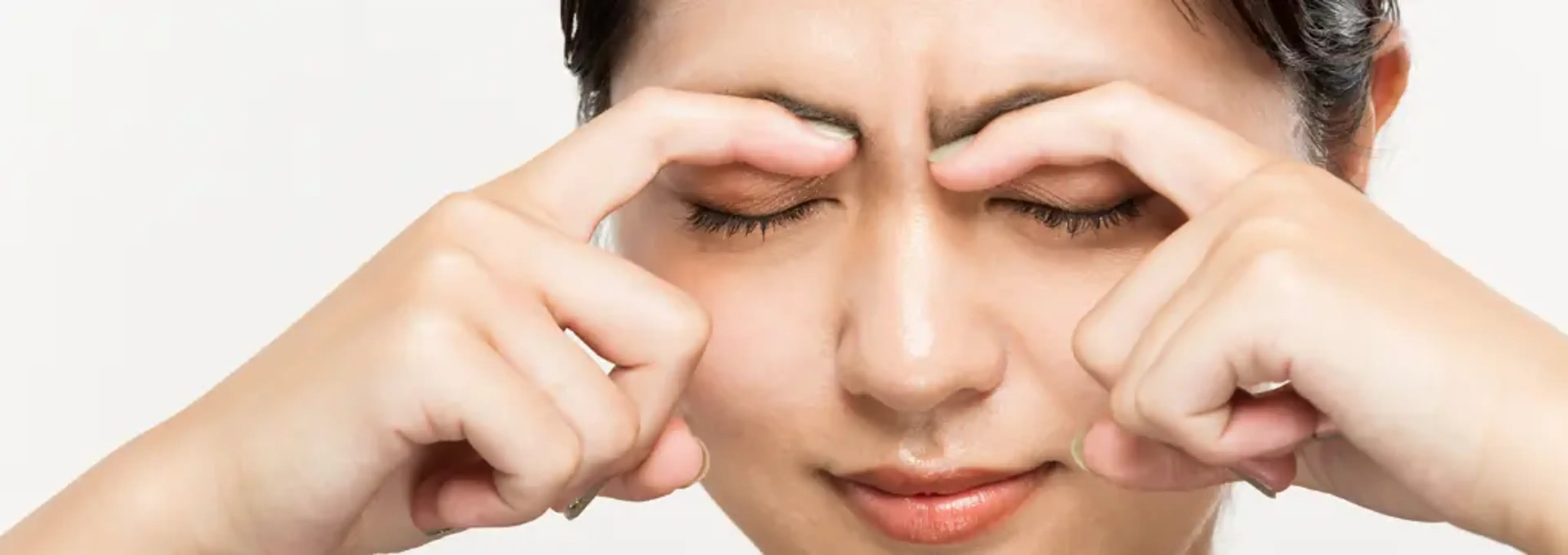
You’re reading a document, staring at your screen, and suddenly — your eyelid starts to flutter uncontrollably. You blink, rub your eyes, try to ignore it… but it keeps coming back.
For many people, this small, rapid movement of the eyelid — medically called myokymia — can be an irritating daily visitor. It’s not painful, but it’s persistent, distracting, and sometimes even embarrassing.
At The Wells Clinic in Jamsil, Seoul, we often meet patients who have been living with eyelid twitching for months, even years, without answers. Most have tried eye drops, rest, or vitamin supplements — but the twitch always returns. What they don’t realize is that eyelid twitching isn’t always an eye problem. In many cases, it’s a neurological or muscle imbalance issue that requires deeper evaluation.
When a Simple Twitch Isn’t So Simple
when-a-simple-twitch-isn't-so-simpleEyelid twitching can happen for many reasons — fatigue, caffeine, stress, or dry eyes are common triggers. But when the twitching persists beyond a few days or keeps recurring, it’s often a sign of underlying nerve hyperexcitability.
The nerves that control eyelid movement (the facial nerve branches) are among the most sensitive in the body. They can become overstimulated by factors such as:
Chronic stress or sleep deprivation
Cervical (neck) tension compressing nerve pathways
Eye strain from prolonged screen time
Magnesium or electrolyte imbalance
Early signs of facial nerve dysfunction
To be honest, most people think of their eyelids as separate from the rest of the body — but in neurology, everything is connected. The muscles around the eyes, jaw, and neck share common nerve and blood flow networks. When one part becomes tight or fatigued, the others can start misfiring.
The Hidden Neurological Connection
the-hidden-neurological-connectionDr. Jumin Kim, neurologist and director of The Wells Clinic, explains it this way:
“Eyelid twitching is often the body’s small warning signal — telling us that the nervous system is overactive, tired, or misaligned. If we calm and rebalance the neural pathways, the twitching naturally disappears.”
That’s why at The Wells Clinic, we don’t simply prescribe rest or medication. We start by analyzing how the nerves and muscles around the eyes and neck are functioning together.
When your neck posture is strained — for example, from long desk hours or smartphone use — the cervical nerves can irritate the facial nerve nucleus in the brainstem. This subtle irritation can cause repeated twitching or even asymmetry in facial movements.
Why Regular Treatments Often Fail
why-regular-treatments-often-failEye drops or vitamin tablets may help for temporary irritation, but they rarely address the root neurological cause.
Here’s why standard treatments fall short:
They target the symptom, not the signal. Twitching is a reaction of overstimulated nerves, not a standalone condition.
They overlook neck and jaw tension. Most eyelid twitch patients also have tight suboccipital or masseter muscles, which affect neural feedback loops.
They don’t rebalance nerve excitability. The nervous system needs both calmness and coordination — not suppression.
The result? The twitch fades briefly, then returns as soon as stress or fatigue builds up again.
The Wells Clinic’s Approach: Neurology-Based Manual Therapy
the-wells-clinic's-approach:-neurology-based-manual-therapy
Our clinic specializes in neurology-guided pain and posture correction, and this same principle applies to facial nerve regulation.
We use a method called neurology-based manual therapy — a hands-on, non-invasive approach designed to normalize nerve-muscle communication.
What this includes:
what-this-includes:Comprehensive Neurological Assessment
Dr. Kim performs a detailed exam, evaluating cranial nerve function, facial symmetry, and muscle tone in the neck and jaw. This helps identify which nerve pathways are overactive or compressed.
Precise Manual Therapy
Our therapists apply gentle, targeted pressure to release muscle tension in key regions like the suboccipital area, temporomandibular joint (TMJ), and upper cervical spine. This improves blood flow and calms overactive nerve signals.
Neuro-Functional Retraining
Patients learn corrective posture and breathing techniques to reduce nerve strain during daily life. These adjustments help stabilize results and prevent recurrence.
The goal isn’t just to stop the twitch — it’s to restore harmony between your brain, nerves, and muscles.
When Eyelid Twitching Signals Something More
when-eyelid-twitching-signals-something-moreOccasionally, chronic or severe twitching may indicate conditions such as:
Hemifacial spasm (involuntary contraction of one side of the face)
Benign essential blepharospasm (bilateral eye muscle overactivity)
Facial nerve irritation or vascular compression
At The Wells Clinic, we differentiate between benign twitching and neurological disorders using clinical evaluation and, if needed, imaging referrals. This ensures accurate diagnosis and safe, effective treatment.
A Real Case: Stress, Neck Tension, and Twitch Relief
a-real-case:-stress-neck-tension-and-twitch-reliefOne of our patients, a 34-year-old office worker, came to The Wells Clinic after three months of persistent right eyelid twitching. He’d tried rest, eye drops, and magnesium supplements — nothing worked.
After evaluation, Dr. Kim found significant tension in his right neck and jaw muscles and mild asymmetry in facial nerve activation. With six sessions of neurology-based manual therapy and ergonomic retraining, his twitching completely resolved.
He told us:
“I didn’t realize my neck was part of the problem. Now I feel relaxed, my twitching stopped, and even my headaches improved.”
Why This Approach Works
why-this-approach-works
Unlike treatments that only target surface symptoms, neurology-based manual therapy corrects the deeper causes:
It reduces abnormal nerve firing by improving neural feedback.
It relieves structural tension that irritates nerve roots.
It rebalances autonomic function, helping the body exit the “fight-or-flight” state that fuels twitching.
It’s a holistic, science-based approach that helps patients feel not just symptom-free — but genuinely well.
When to See a Neurologist
when-to-see-a-neurologistYou should seek a neurological evaluation if your eyelid twitching:
Persists for more than 2–3 weeks
Spreads to other parts of your face
Is accompanied by weakness, numbness, or pain
Interferes with vision or daily activities
Even if it feels minor, persistent twitching can indicate underlying nerve fatigue — something best addressed early.
Finding Relief at The Wells Clinic
finding-relief-at-the-wells-clinicAt The Wells Clinic, every eyelid twitching case is carefully evaluated from a neurological and structural perspective. Our integrative approach — led by neurologist Dr. Jumin Kim — bridges medical precision with personalized care.
If your eyelid twitching has lasted too long, or if you feel neck or facial tension along with it, consider visiting a clinic that understands the full picture.
You don’t have to live with that constant flutter. With the right neurological guidance, your body can reset, your nerves can calm — and your eyes can finally rest.
The Wells Clinic — Neurology-Based Pain & Functional Recovery
the-wells-clinic-neurology-based-pain-and-functional-recovery📍 Location: Jamsil, Songpa-gu, Seoul
👨⚕️ Director: Dr. Jumin Kim, Neurologist (Samsung Medical Center Fellowship)
💡 Specialties: Neurology-guided manual therapy, TMJ correction, posture and facial nerve rehabilitation
If you’ve tried everything but your eyelid still twitches, it may be time for a neurological approach.
Contact The Wells Clinic today — and discover how gentle, targeted care can help your nerves find balance again.